Teatr Syrena
A stage debut in children's productions, then revues and gala nights. In 1995 she wins “Mikrofon dla wszystkich” and appears in Krystyna Janda's “Panna Tutli-Putli”.
Singer and lyricist — Warsaw
After years of singing across all kinds of projects — film, theatre, soundtracks — she returns under her own name.
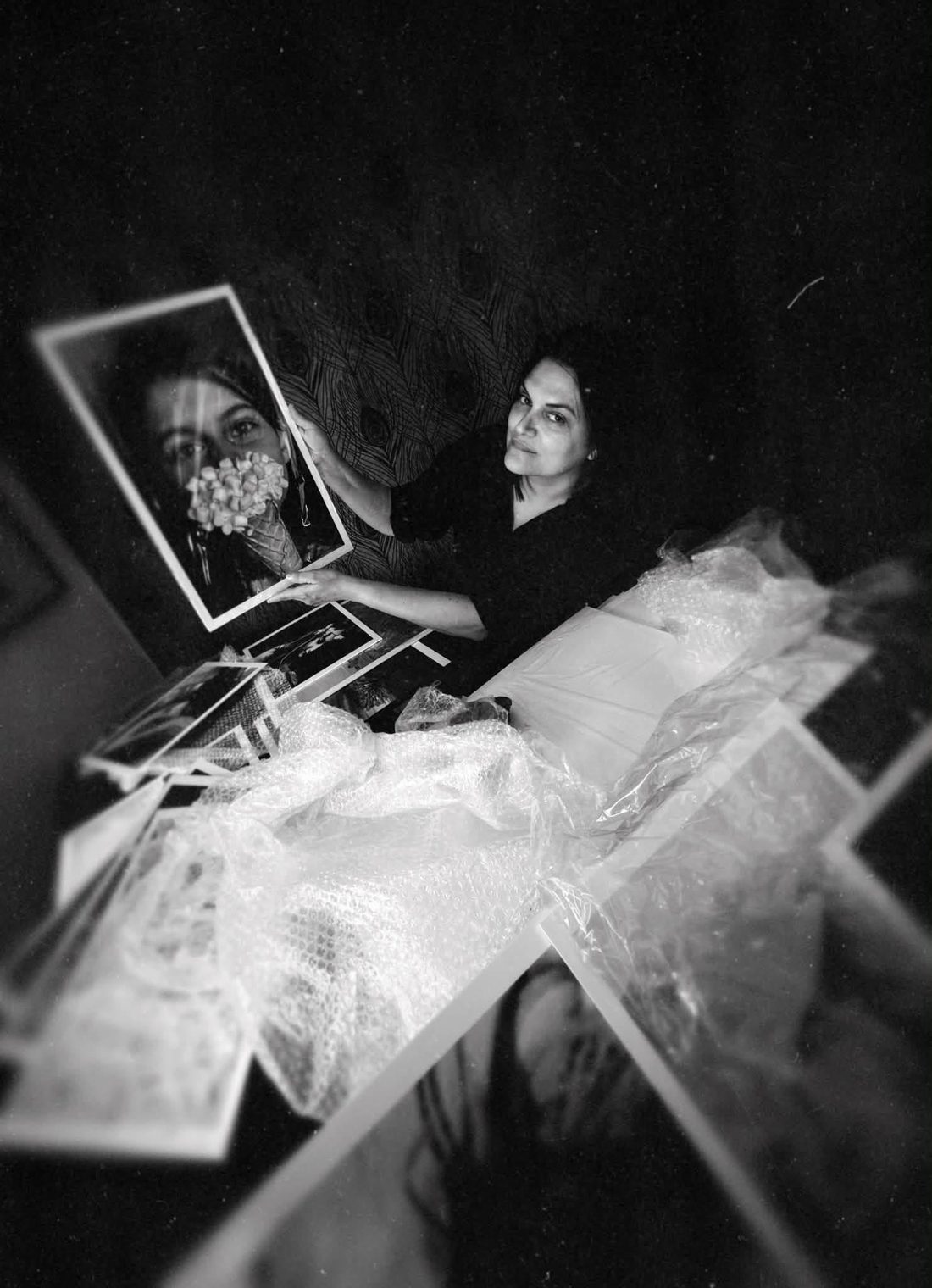
Sylwia Wiśniewska was born in 1977 in Warsaw. The stage was a family inheritance — her father, a circus-school graduate, sang with the Polish Army Ensemble and acted at Teatr na Targówku. At fifteen she made her debut at Warsaw's Teatr Syrena, training in classical guitar and piano along the way.
In 1995 she won the “Mikrofon dla wszystkich” competition and appeared on radio's “Podwieczorek przy mikrofonie”; that same year she performed in the musical “Panna Tutli-Putli”, directed by Krystyna Janda at Teatr Powszechny. Two years later she came through an audition where more than three thousand singers competed for five places — the result was Taboo, a girl group billed as Poland's answer to the Spice Girls. It released one album, “One” (1998), and split a year later.
“I hold nothing against anyone. What doesn't kill you makes you stronger.”
Her solo debut “Cała ty” arrived on 24 June 2000, produced by Wojciech Olszak — the man behind the debut albums of Edyta Górniak and Natalia Kukulska — with playing from Michał Grymuza, Marcin Nowakowski and Wojciech Pilichowski. A year later “DJ's Magazine” named her Vocalist of the Year, and audiences nominated her for the Opole Superjedynki awards.
The breakthrough came in 2004 with a second album, “Dedykacja”, and the single “12 łez”, which the whole country hummed. Then Wiśniewska deliberately stepped out of the spotlight: she joined the international Karimski Club, recorded an album with them set to the poetry of Zbigniew Herbert, sang on film and social projects, and spent years lending her voice to commercials and to radio and television idents.
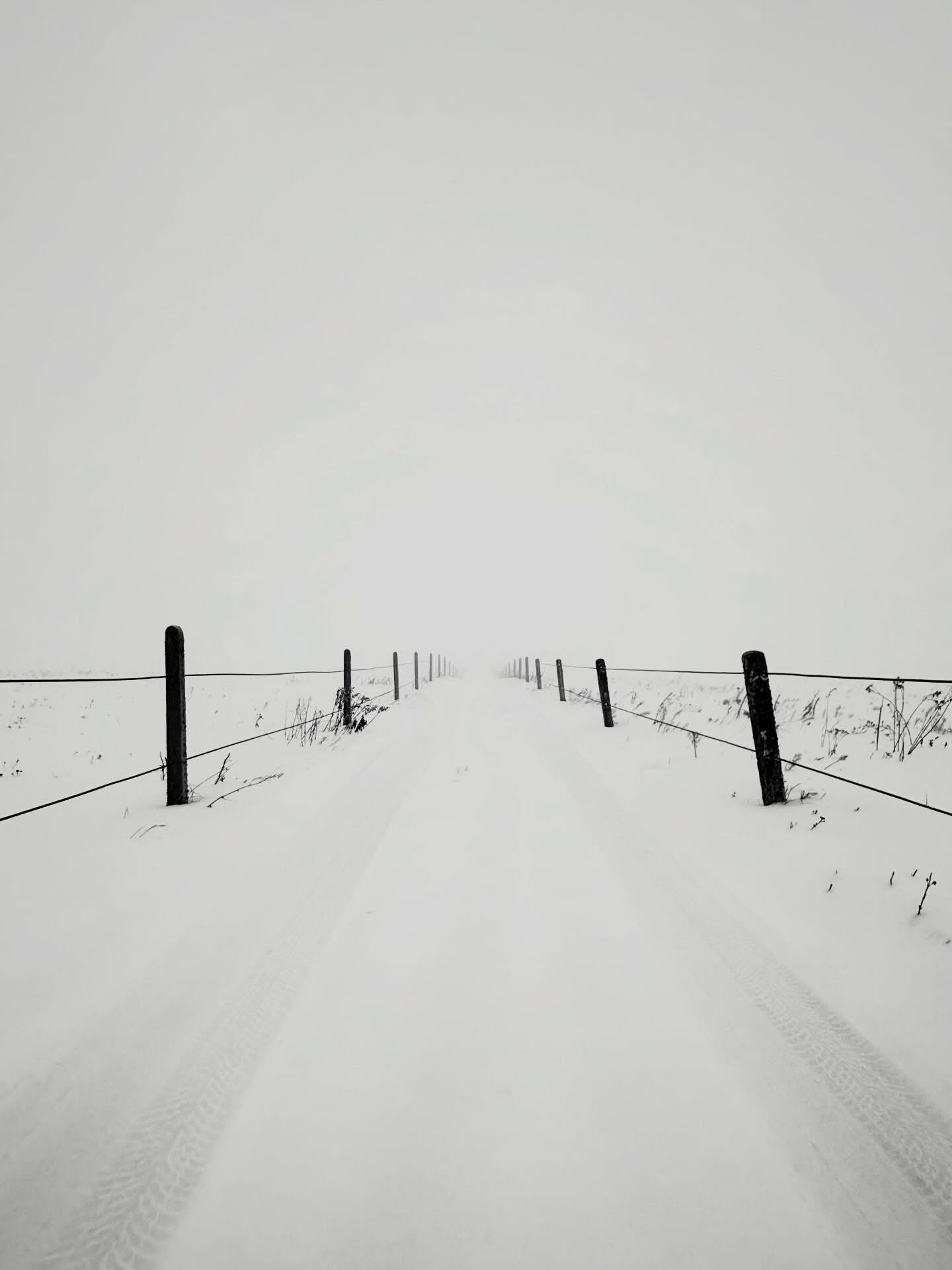 The road — winter
A stage debut in children's productions, then revues and gala nights. In 1995 she wins “Mikrofon dla wszystkich” and appears in Krystyna Janda's “Panna Tutli-Putli”.
Lead vocalist and lyricist of the five-piece girl group. One album — “One” (1998) — and a split a year later.
A solo debut produced by Wojciech Olszak. The singles “Cała ty” and “Jeden ty i jedna ja” open the door to radio.
A Golden Record from “DJ's Magazine” and nominations at the Opole Festival's Superjedynki awards.
A second album and her biggest hit. “12 łez” tops the charts and then settles, for years, into collective memory.
A turn toward the margins: work with Karim Martusewicz's international collective and an album drawn from the poetry of Zbigniew Herbert.
A cross-cultural project with Wojciech Waglewski, Voo Voo and Motion Trio among others; Wiśniewska sings the campaign's title song.
A duet with Adam Nowak of Raz, Dwa, Trzy: “Tyle nadziei, tyle młodości” promotes Jan Komasa's film.
A return by way of cinema: the title song for the film, then the second instalment's soundtrack and “Porwijże mnie, porwij” with Karimski Club and Mia Shama.
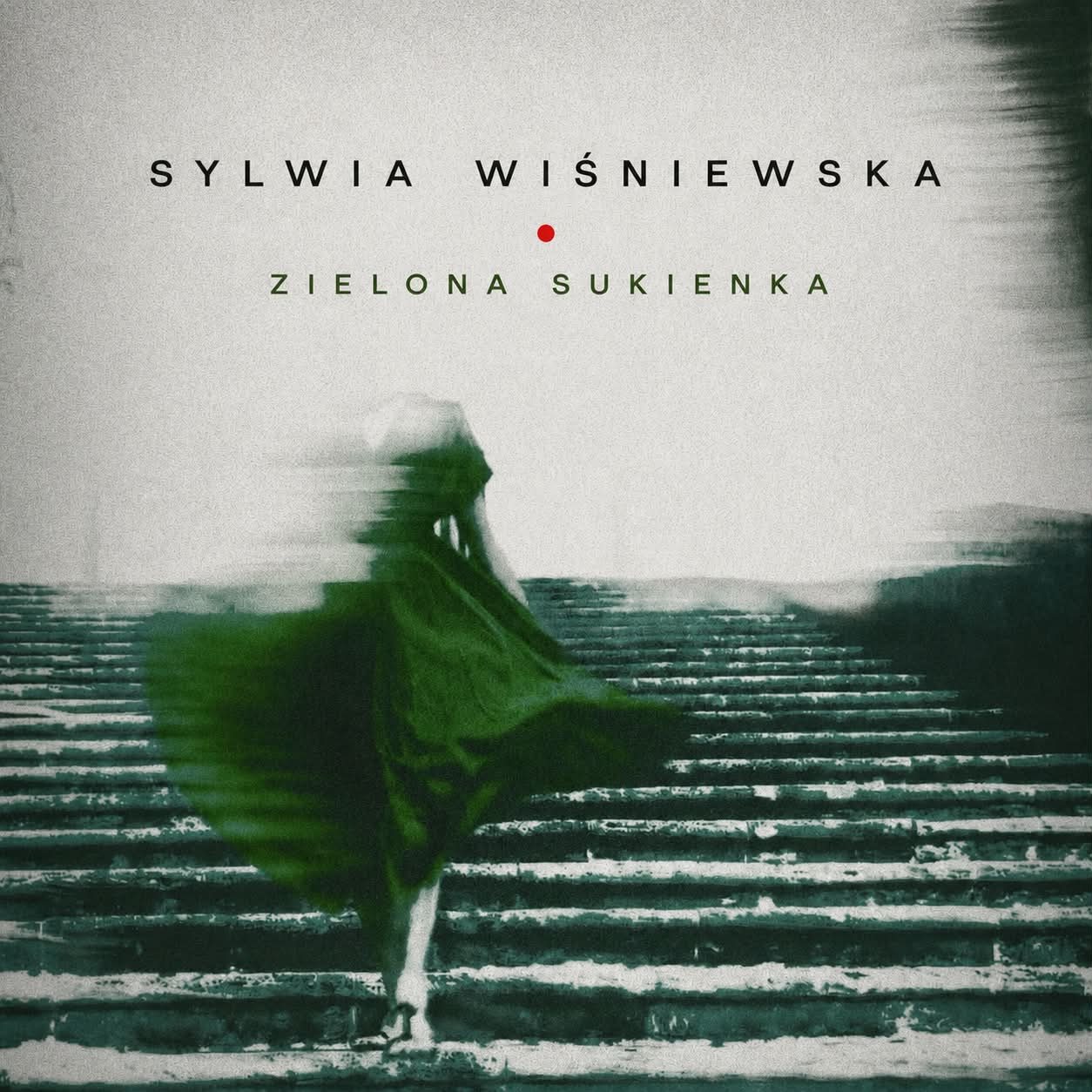
A new chapter — after March's “Za duży” from the third “Too Old for Fairy Tales” film. Green, stone steps, movement: everything a single frame can't hold still.
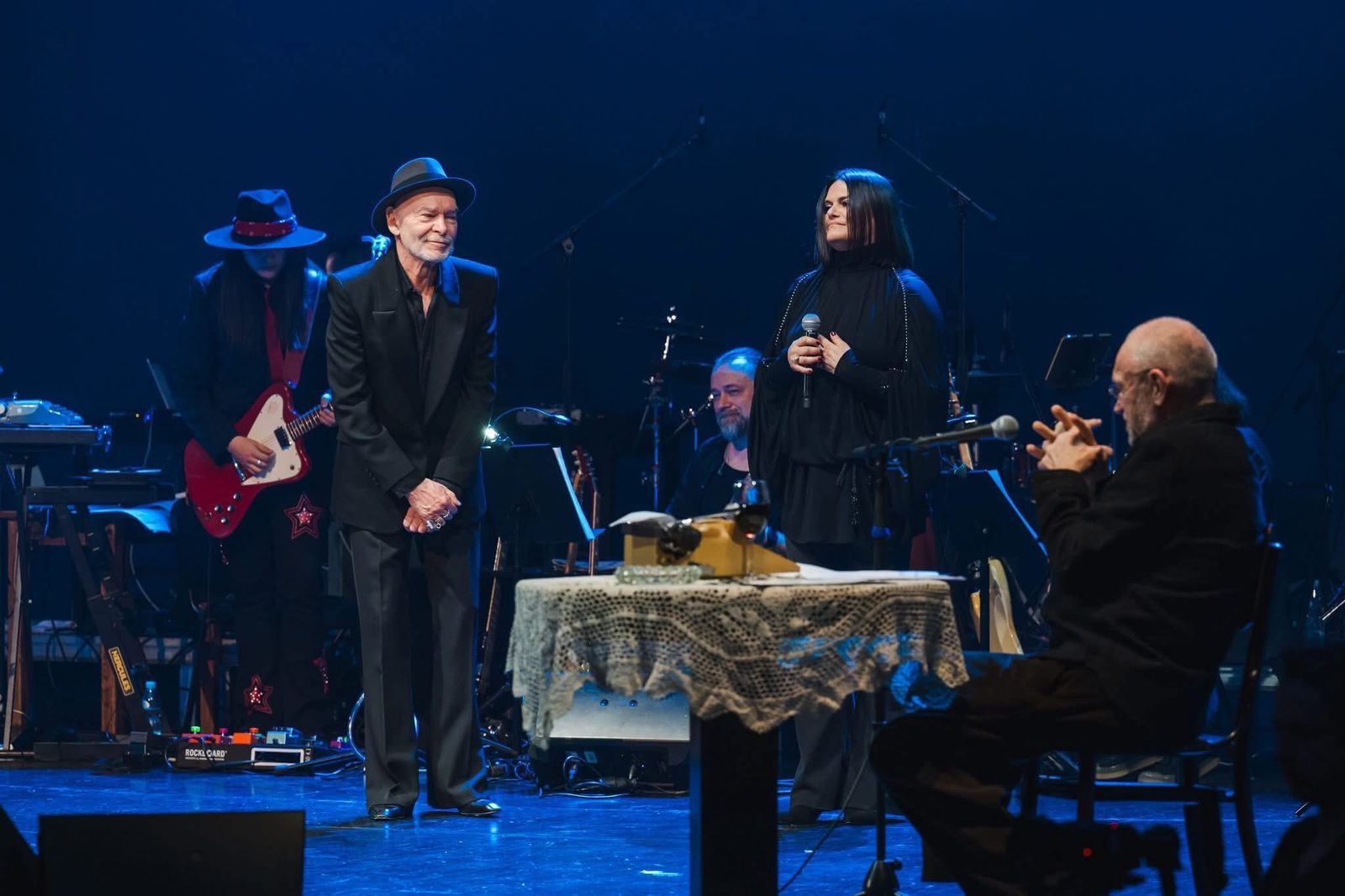
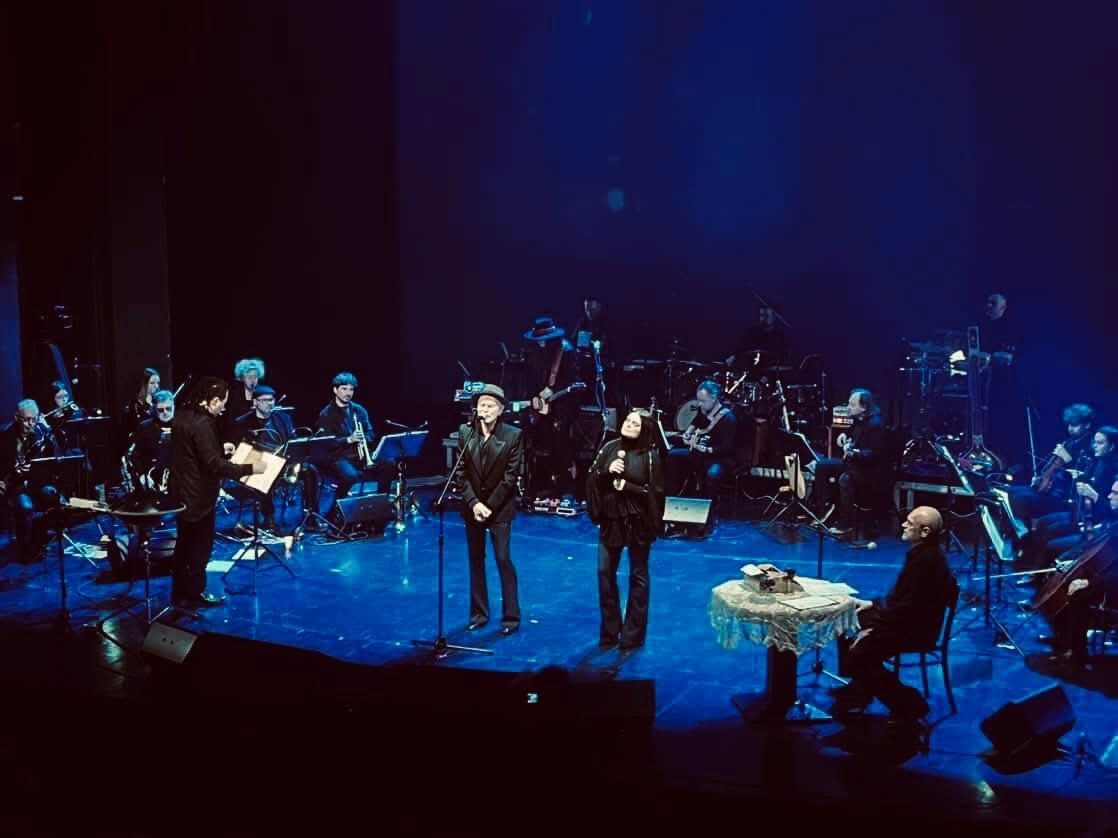
Away from the studio, Wiśniewska performs with chamber and orchestral ensembles — closer to the theatre than the pop stage.
 The quiet between releases
Sylwia Wiśniewska. The song comes from her second album, “Dedykacja” (2004), and remains her biggest radio hit.
She records for film — including songs for all three “Too Old for Fairy Tales” instalments — sings with the Karimski Club collective and performs with chamber and orchestral ensembles. Her latest release is “Zielona sukienka”.
Taboo, where she was lead vocalist and lyricist. The group ran from 1997 to 1999 and released one album, “One” (1998).
The full catalogue is on Spotify, with music videos and live recordings on the YouTube channel — links are in the “Listen” section.
Bookings, collaborations, press enquiries and licensing.